Ancient Astronomy
America's Stonehenge - Along with it's astronomical alignments, America's Stonehenge continues to be one of the most fascinating archaeological discoveries of the century.
Ancient Astronomy Links - Some selected links to pages with information on Ancient Astronomy Calendars and Ancient Astronomy in Egypt, India, Maya, and Mesopotamia.
Chinese Astronomy - Astronomy truly is an ancient science in China. In fact, mankind's first record of an eclipse of the Sun was made in China in 2136 BC.
Greek Astronomy - Details early Greek astronomy. Includes sections on Thales of Miletus, Parmenides, and Anaximander of Miletus.
Stonehenge: Archaeoastronomy at Stonehenge - The astronomer Gerald Hawkins has argued that Stonehenge is not merely aligned with solar and lunar astronomical events, but can be used to predict other events such as eclipses. In other words, Stonehenge was more than a temple, it was an astronomical calculator.
The Maya Astronomy Page - Geographical Orientation Maya Mathematics The Maya Calendar Maya Writing Maya Astronomy Maya-related WWW links Credits to this page
Greek Astronomy
Anaximander of Miletus - Anaximander of Miletus (610-ca. 546 BC) conceived the idea that the stars were fixed on a crystalline sphere rotating around the Earth. Anaximander thought the Earth to be cylindrical with a diameter three times its height, and the center of the universe.
Anaximenes of Miletus - Anaximenes was the first Greek to distinguish clearly between planets and stars. He believed the primary substance of the universe to be air, which could form the other elements of water, Earth, and fire by rarefaction and condensation. This page is part of Eric Weisstein's World of Scientific Biography.
Aristarchus and the Size of the Moon - The jump Aristarchus made from terrestrial measurements of scale to the celestial is truly remarkable. Without any measures of the sizes of or distances to any celestial objects, he was able to measure both for the Moon.
Aristarchus of Samos - Aristarchus of Samos (ca. 310-ca. 230 BC) was a Greek philosopher who theorized the radical view that Earth and planets revolve around the Sun. This page is part of Eric Weisstein's World of Scientific Biography. This page is part of Eric Weisstein's World of Scientific Biography.
Aristotle - Aristotle was a Greek philosopher who lived between 384-322 B.C. He was one of the greatest thinkers of the world and his written works encompassed all major areas of thought: logic, science, metaphysics, ethics, and politics.
Aristotle of Stagira - Aristotle of Stagira (384-322 BC) accepted the heavenly spheres of Eudoxus, thought the Earth to be spherical, and imagined a perfectly spherical unchanging universe centered on the Earth. This page is part of Eric Weisstein's World of Scientific Biography.
Eratosthenes of Cyrene - Eratosthenes of Cyrene (ca. 284-ca. 192 BC): Among Eratosthenes' accomplishments was the accurate measurement the diameter of the Earth by observing that, on the day of the summer solstice, the Sun was directly overhead in Syene while it was 7° from the zenith in Alexandria, which he assumed was due north of Syene (Dunham 1990). This page is part of Eric Weisstein's World of Scientific Biography.
Eudoxus of Cnidus - Eudoxus of Cnidus (ca. 400-ca. 347 BC) was a Greek philosopher, astronomer, and mathematician who accepted Plato's notion of the rotation of the planets around the Earth on crystalline spheres, but noticed discrepancies with observations. This page is part of Eric Weisstein's World of Scientific Biography.
Greek Astronomy - The Greek Astronomy subsection in the Mathematics section at the Library of Congress Vatican Exhibit.
Greek Geocentric and Heliocentric Cosmologies - The Greeks, who to a great extent are responsible for developing geometry and trigonometry, sought a geometrical explanation of planetary motions rather than the simply numerical relationships found by the Babylonians.
Heraclides of Heraclea Pontus - Heraclides of Heraclea Pontus (ca. 388-315 BC) was a Greek philosopher who was the first to suggest that the rotation of the Earth would account for the apparent rotation of the stars. This page is part of Eric Weisstein's World of Scientific Biography.
Hipparchus of Nicaea - Hipparchus of Nicaea (ca. 190-ca. 120 BC) compiled an extensive star catalogue in which stars were classified in "magnitudes" according to their brightness. This page is part of Eric Weisstein's World of Scientific Biography.
Ptolemy - Ptolemy (ca. 100-ca. 170), Roman name: Claudius Ptolemaeus. Greek philosopher who synthesized and extended Hipparchus's system of epicycles and eccentric circles to explain his geocentric theory of the solar system. This page is part of Eric Weisstein's World of Scientific Biography.
Pythagoras - Pythagoras of Samos was a Greek philosopher responsible for important developments in mathematics, astronomy and the theory of music.
Pythagoras of Samos - Pythagoras of Samos (ca. 560-ca. 480 BC) was the first Greek to realize that the morning star and evening star were both the planet Venus. Pythagoras postulated that the Earth was spherical, and added more crystalline spheres to Anaximander's model, one for each planet, to account for the motions of the various planets. This page is part of Eric Weisstein's World of Scientific Biography.
Thales of Miletus - Thales of Miletus (634-546 BC) predicted the year of the May 28, 585 BC solar eclipse, confirming his access to Babylonian records.
The Shape of the Earth - This is a classroom exercise. Aristotle concluded the Earth must be spherical because of the shape of the darkened shadow of Earth that moves across the face of the Moon during lunar eclipses.
Renaissance Astronomy
Arabic astronomy - Historical Sources for the history of Arabic and Islamic Astronomy
Copernican Model: A Sun-Centered Solar System - The Earth-centered Universe of Aristotle and Ptolemy held sway on Western thinking for almost 2000 years. Then, in the 16th century a new idea was proposed by the Polish astronomer Nicolai Copernicus (1473-1543).
Copernicus - Copernicus, Nicholaus (1473-1543) became interested in astronomy and published an early description of his "heliocentric" model of the solar system in Commentariolus (1512). This page is part of Eric Weisstein's World of Scientific Biography.
Copernicus - Copernicus postulated that placing the Sun in the center with all of the planets, including the Earth, moving in circular orbits around the Sun would explain the observed planetary motions, particularly retrograde motion, in the context of a much simpler model.
Galileo - A web resource on the life and works of Galileo Galilei (1564-1642). Galileo used the telescope (he didn't invent it!) to make observations which refuted the old Earth-centered model and confirmed that the planets orbited the Sun.
Galileo Galilei - This web site give some biographical information about Galileo as well as a list of his observations.
Galileo: the Telescope and the Laws of Dynamics - Galileo Galilei (1564-1642) was a pivotal figure in the development of modern astronomy, both because of his contributions directly to astronomy, and because of his work in physics and its relation to astronomy. He provided the crucial observations that proved the Copernican hypothesis, and also laid the foundations for a correct understanding of how objects moved on the surface of the earth (dynamics) and of gravity.
The Observations of Tycho Brahe - A Danish nobleman, Tycho Brahe (1546-1601), made important contributions by devising the most precise instruments available before the invention of the telescope for observing the heavens.
The Titius-Bode Law - Johann Titius, a German astronomer, discovered a numerical relationship describing the relative distances of the then-known planets from the sun. Another German astronomer, Johann Bode, popularized the relationship and, as is often the way of science, became associated with it.
Tycho Brahe - Tycho Brahe made precise observations of planetary positions over a long period of time and handed them over to a brilliant (and obsessive compulsive) mathematician/mystic/astronomer named Johannes Kepler.
Tycho Brahe - Tycho Brahe(1546-1601) was a Danish astronomer who set out to make accurate observations in order to be able to determine whether the Ptolemaic or Copernican system was the more correct. This page is part of Eric Weisstein's World of Scientific Biography.
Understanding Retrograde Motion - One phenomenon that ancient astronomers had difficulty explaining was the retrograde motion of the planets. Over the course of a single night, a planet will move from East to West across the sky, like any other celestial object near the ecliptic.
Kepler's Laws
Astronomical Units - One Astronomical Unit is the distance from the Sun's center to the Earth's center. It is equal to 149,600,000 km (93,000,000 miles).
Johannes Kepler - Johannes Kepler (1571-1630) was an Austrian mathematician and astronomer who got himself taken on as an assistant to Brahe in order to get access to his planetary tables. This page is part of Eric Weisstein's World of Scientific Biography.
Johannes Kepler - This web site offers and excellent biography of Johannes Kepler.
Johannes Kepler - Johan Kepler was a German astronomer who lived between 1571-1630. He introduced three important laws of planetary motion and helped the Copernican model of the solar system gain general acceptance.
Johannes Kepler: The Laws of Planetary Motion - Kepler was forced to the realization that the orbits of the planets were not the circles demanded by Aristotle and assumed implicitly by Copernicus, but were instead the "flattened circles" that geometers call ellipses.
Kepler's First Law - With Tycho Brahe's observations in hand, Kepler set out to determine if the paths of the planets against the background stars could be described with a curve. By trial and error, he discovered that an ellipse with the Sun at one focus could accurately describe the orbit of a planet about the Sun.
Kepler's Laws - Describes Kepler's laws, offers animation and mathematical details regarding the laws and provides a biography of the astronomer.
Kepler's Laws - A short list of Kepler's laws from Eric Weisstein's World of Physics.
Kepler's Laws of Planetary Motion - Read explanations of Kepler's laws of motion and watch videos of how his solar system moves. Also see how Ptolemy had set up his system.
Kepler's Second Law - Kepler's second law he again discovered by trial and error. After some experimentation, Kepler realized that the line connecting the planet and the Sun sweeps out equal area in equal time.
Kepler's Third Law - Kepler's 3rd law is a mathematical formula. It means that if you know the period of a planet's orbit (P = how long it takes the planet to go around the Sun), then you can determine that planet's distance from the sun (a = the semimajor axis of the planet's orbit).
Kepler's Third Law Applet - This applet shows the relative orbits of Earth and Mars as governed by Kepler's Laws. The purpose of the applet is to demonstrate why it takes approximately 2 years for a manned mission to Mars.
Newton's Laws
Isaac Newton - Isaac Newton (1642-1727) in his book proposed that (1) we are to admit no more causes of natural things such as are both true and sufficient to explain their appearances, (2) the same natural effects must be assigned to the same causes, (3) qualities of bodies are to be esteemed as universal, and (4) propositions deduced from observation of phenomena should be viewed as accurate until other phenomena contradict them.
Isaac Newton Resources - This page provides access to various resources on Newton's life and works including the Newton Institute and Newton and Cambridge, his birth place.
Newton's Laws - A short list of Newton's Laws from Eric Weisstein's World of Physics and Astronomy.
Sir Isaac Newton Biography - This site give an overview of Newton's early years, time at university, and his contribution to mathematics, optics, and chemistry.
Gravity and Motion
Acceleration - Acceleration is defined as the derivative of velocity. This site gives a complete description of the mathematics and units of acceleration from Eric Weisstein's World of Physics and Astronomy.
Acceleration- Read the brief description of the term that denotes the change of speed of an object in motion.
Angular Momentum - Conservation of Angular Momentum Angular momentum, the rotational equivalent of linear momentum, is conserved in the absence of external rotational forces (torques). This site includes a student standing on a rotating platform demonstrating this physics principle.
Angular Momentum - A complete description of the mathematics and units of angular momentum is provided by Eric Weisstein's World of Physics and Astronomy.
Centrifugal Force - The False Force - An evil word has worked its way into our daily vocabulary, and with it, an incorrect understanding of the way physics works. "Centrifugal Force" ( Latin for "center fleeing") is often used to describe why mud gets spun off a spinning tire, or water gets pushed out of the clothes during the spin dry cycle of your washer.
Centripetal Force - The Real Force - Whenever an object moves in a circular path the object is accelerating because the velocity is constantly changing direction. All accelerations are caused by a net force acting on an object.
Conic Sections and Gravity - The ellipse is not the only possible orbit in a gravitational field. According to Newton's analysis, the possible orbits in a gravitational field can take the shape of the figures that are known as conic sections.
Conic Sections and Gravity - The trajectories of a body moving near the Sun can follow are called conic sections (circle, ellipses, parabolas, and hyperbolas).
Coriolis Effect - Resource defines the coriolis effect in relation to the earth's movement and describes the theory's importance to the science of meteorology.
Coriolis Force - The Coriolis force is a fictitious force exerted on a body when it moves in a rotating reference frame. It is called a fictitious force because it is a by-product of measuring coordinates with respect to a rotating coordinate system as opposed to an actual "push or pull."
Escape Velocity - Michael Metzger answers the question: What is escape velocity?
Escape Velocity - Escape velocity is the velocity required for a projectile to escape from a massive body to a point at infinity (which it will reach after an infinite amount of time with speed zero). A complete description of the mathematics and units of escape velocity is provided by Eric Weisstein's World of Physics and Astronomy.
Gravitational Potential Energy - Gravitation Potential Energy is the stored gravitational energy of a body in a gravity field. A description of the mathematics and units of gravitational potential energy is provided by Eric Weisstein's World of Physics and Astronomy.
Gravitational Potential Energy Applet - This applet shows the relation between potential energy and kinetic energy and energy loss. Balls can be given different initial energies and masses and therefore dropped from different heights. They bounce off a surface which can absorb an amount of energy that is set by a parameter tag. The impact velocity is recorded. The general relation should be readily deduced by using this applet.
Kinetic Energy - Kinetic energy is often defined informally as energy of motion. A complete description of the mathematics and units of kinetic energy is provided by Eric Weisstein's World of Physics and Astronomy.
Mass - Mass it the measure of the inertia of a body. A description of the mathematics and units of mass is provided by Eric Weisstein's World of Physics and Astronomy.
Momentum - Momentum is a fundamental quantity in mechanics that is conserved in the absence of external forces. This is a description of the mathematics and units of momentum from Eric Weisstein's World of Physics and Astronomy.
Momentum Applet - This applet concerns conservation of linear momentum and to some extent simulates the standard air track cart demonstration in physics. The applet has two modes, elastic, which is represented by a collision between a lightweight cannon projectile that sticks to a heavier cart and inelastic which is represented by the collision of two railroad carts on a frictionless track. Parameter tags control the masses and momentum of the objects.
Surface Gravity - This activity will illustrate how to calculate the surface gravity of planets, satellites and the Sun. Time requirement: 50 minutes as an activity for mathematically advanced students.
Tidal Forces - Find out what tidal forces are and how tidal heating occurs.
Velocity - Velocity is defined as the derivative of position with respect to time. A description of the mathematics and units of velocity is provided by Eric Weisstein's World of Physics and Astronomy.
Weight - A complete description of the mathematics and units of weight from Eric Weisstein's World of Physics and Astronomy.
Light and Atoms
Atomic Emission Applet - This applet presents the user with an energy level diagram of an atom. The values of the levels (in eV) can be set by parameter tags. Relative transition probabilities can also be set by parameter tags. An active electron can be moved to any level by using the pointing device and then the electron will cascade down to the ground level according to the relative transition probabilities that have been set up.
Atomic Energy Levels - This applet shows the Bohr model along with a diagram showing the energy level. This "energy level" picture of an atom is so useful that most physicists prefer it over the orbital picture.
Atomic Spectra Applet - In this Java Applet, there is a device below the Bohr model that works like a prism or a diffraction grating. It shows the atomic spectrum for a hydrogen atom. Whenever a photon is emitted, it shows up on the spectrum according to its wavelength.
Blackbody - A blackbody is a hypothetic body that completely absorbs all wavelengths of thermal radiation incident on it.
Bohr's Atom - This web page describes the Bohr model of the atom. It contains a Java Applet that allow the user to change the energy levels of the electron within a simulated atom.
Dispersion of Light - Refraction index of any material depends upon the wavelength of the light. This fact can be used to resolve the light beam into the spectral components.
Doppler Effect - The Doppler shift (sometimes called the Doppler effect) is a change in frequency of emitted waves produced by motion of an emitting source relative to an observer. A description of the mathematics of the Doppler Effect is provided by Eric Weisstein's World of Physics and Astronomy.
Doppler Effect Applet - Here you can visualize the Doppler effect. It's easy: Just click anywhere within the gray area and drag the mouse. An arrow representing the source velocity vector will appear.
Doppler Effect Applet - Adjust the slider to change the speed of the police car. Watch for details in the background that change on each pass.
Doppler Effect for Sound - Dial 911 on this Java Applet and listen to the Doppler Effect for the sound of the police siren.
Electric Force Applet - To understand electric fields and electromagnetic waves, you need to know how charges (such as "negative" electrons and "positive" protons) cause each other to move. This applet allow the use to examine the effects of electric charge.
Electromagnetic Waves Applet - Light, microwaves, x-rays, and TV and radio transmissions are all kinds of electromagnetic waves. They are all the same kind of wavy disturbance that repeats itself over a distance called the wavelength. The applet allow the user to investigate the different parts of the electromagnetic spectrum.
Elemental Spectra Applet - This applet displays the periodic table of elements. Clicking on an element will show its line spectrum (as a neutral species).
How Light Works - Howstuffworks describes the many properties of light and provides related links.
Lightyear and a Parsec - The definitions of lightyear and parsec are provided by Eric Weisstein's World of Physics and Astronomy.
Nuclear Fusion - Nuclear Fusion is the energy-producing process which takes place continuously in the sun and stars. In the core of the sun at temperatures of 10-15 million degrees Celsius, Hydrogen is converted to Helium providing enough energy to sustain life on earth.
Phases of Matter - This site provides a description of the phases matter, molecular stickiness, thermodynamics, and phase diagrams.
Photons and Light - Learn about the wave-particle dualism on this site. This web page also provides descriptions of the properties of light.
Reflection and Refraction - This animation shows how light can be reflected and refracted when it strikes an interface between two different media.
Schrödinger's Atom - So what's wrong with the idea of electrons going around in orbits? A physicist named Erwin Schrödinger showed that electrons are really waves. You can interact with the hydrogen atom in this applet and you will see the changes in the Schrödinger model as well.
Spectral Lines Applet - At the end of 19th century, physicists knew there were electrons inside atoms, and that the wiggling of these electrons gave off light and other electromagnetic radiation. This site contains information and a Java Applet dealing with Spectral Lines.
Speed of Light - All electromagnetic radiation - from radio waves to x-rays - travel at the speed of light. In empty space this speed is approximately 300,000 kilometers per second. This site contains a Java Applet.
Types of Spectra and Blackbody Radiation - The Color Science site show what the three main types of spectra look like and provides code for creating them. The color of blackbody radiators is also discussed.
Vibrating Charges and Electromagnetic Waves - The wave here consists of a wiggling line of electric force which you can think of as being "attached" to the vibrating charge. Notice that it takes a certain time for the wave to move from one particle to the other. This site contains a Java Applet.
Astronomy Clubs and Organizations
*Clubs and Organizations - Find and Amateur Astronomy Club or Organization in your area. They are organized by state at this site.
American Association of Variable Star Observers (AAVSO) - The American Association of Variable Star Observers (AAVSO) is a non-profit worldwide scientific and educational organization of amateur and professional astronomers who are interested in stars that change in brightness or variable stars.
American Meteor Society - The American Meteor Society is a non-profit scientific organization established to encourage and support the research activities of both amateur and professional astronomers who are interested in the fascinating field of Meteor Astronomy. The affiliates observe, monitor, collect data on, study, and report on meteors, meteor showers, meteoric fireballs, and related meteoric phenomena.
Association of Lunar & Planetary Observers (ALPO) - Part of the purpose of this website is to foster rapid communications between the lunar and planetary observers as well as improving the efficiency of observing. Observing alerts and online reporting forms are provided.
Astronomical League - The Astronomical League is composed of over two hundred and forty local amateur astronomical societies from all across the United States. These organizations, along with our Members-at-Large, Patrons, and Supporting members form one of the largest amateur astronomical organizations in the world.
Astronomical Society of the Pacific (ASP) - Astronomical Society of the Pacific is an international nonprofit scientific and educational organization that works to increase understanding and appreciation of astronomy.
International Astronomical Union - The International Astronomical Union (IAU) was founded in 1919. Its mission is to promote and safeguard the science of astronomy in all its aspects through international cooperation. Its individual members are professional astronomers all over the World, at the Ph.D. level or beyond and active in professional research and education in astronomy. However, the IAU maintains friendly relations also with organizations that include amateur astronomers in their membership.
International Occultation Timing Association (IOTA) - IOTA was established to encourage and facilitate the observation of occultations and eclipses. It provides predictions for grazing occultations of stars by the Moon and predictions for occultations of stars by asteroids and planets, information on observing equipment and techniques, and reports to the members of observations made.
The North American Sundial Society (NASS) - The North American Sundial Society is an association of people from a wide variety of disciplines who are interested in the study, development, history, and preservation of sundials and the art of dialing throughout the continent.
Astronomy Software Collection
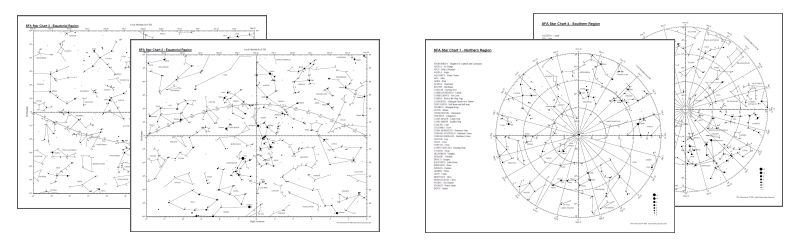
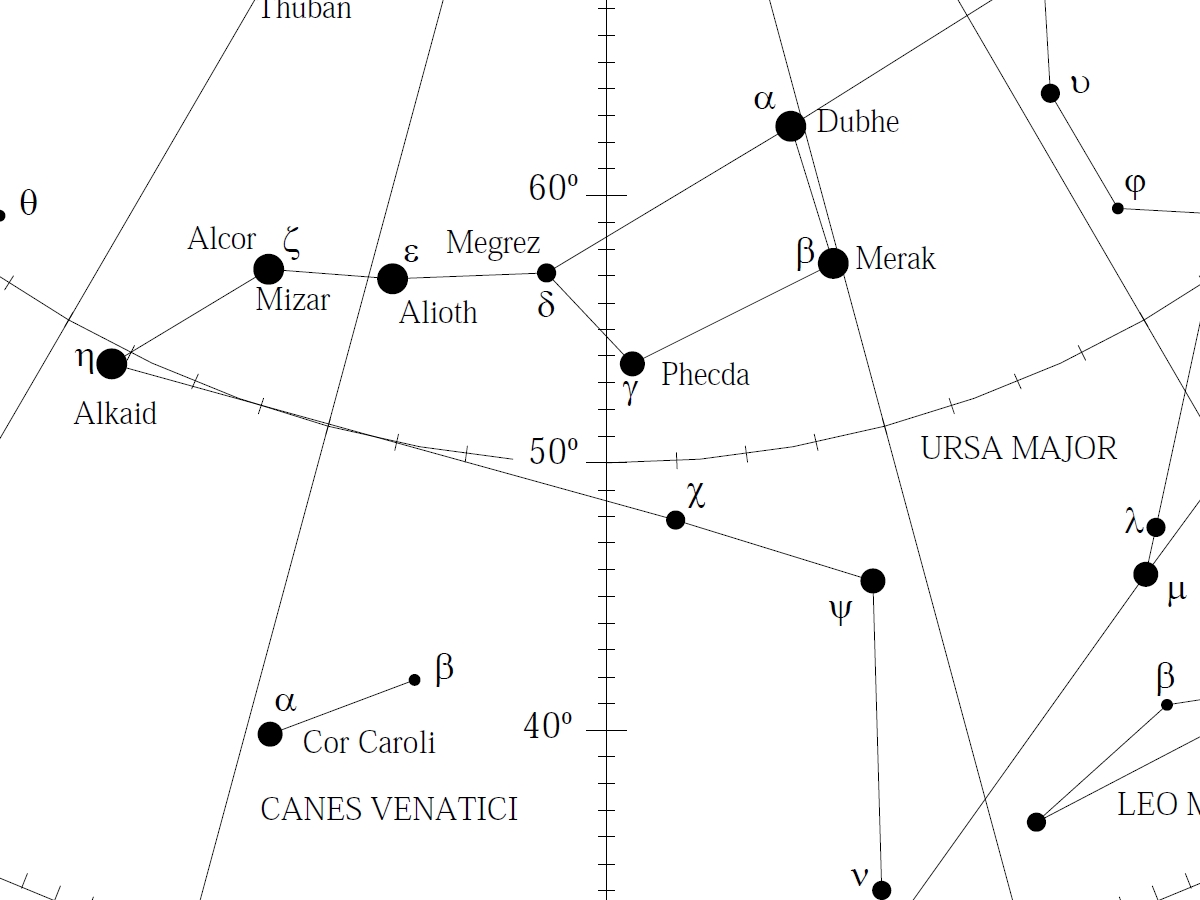
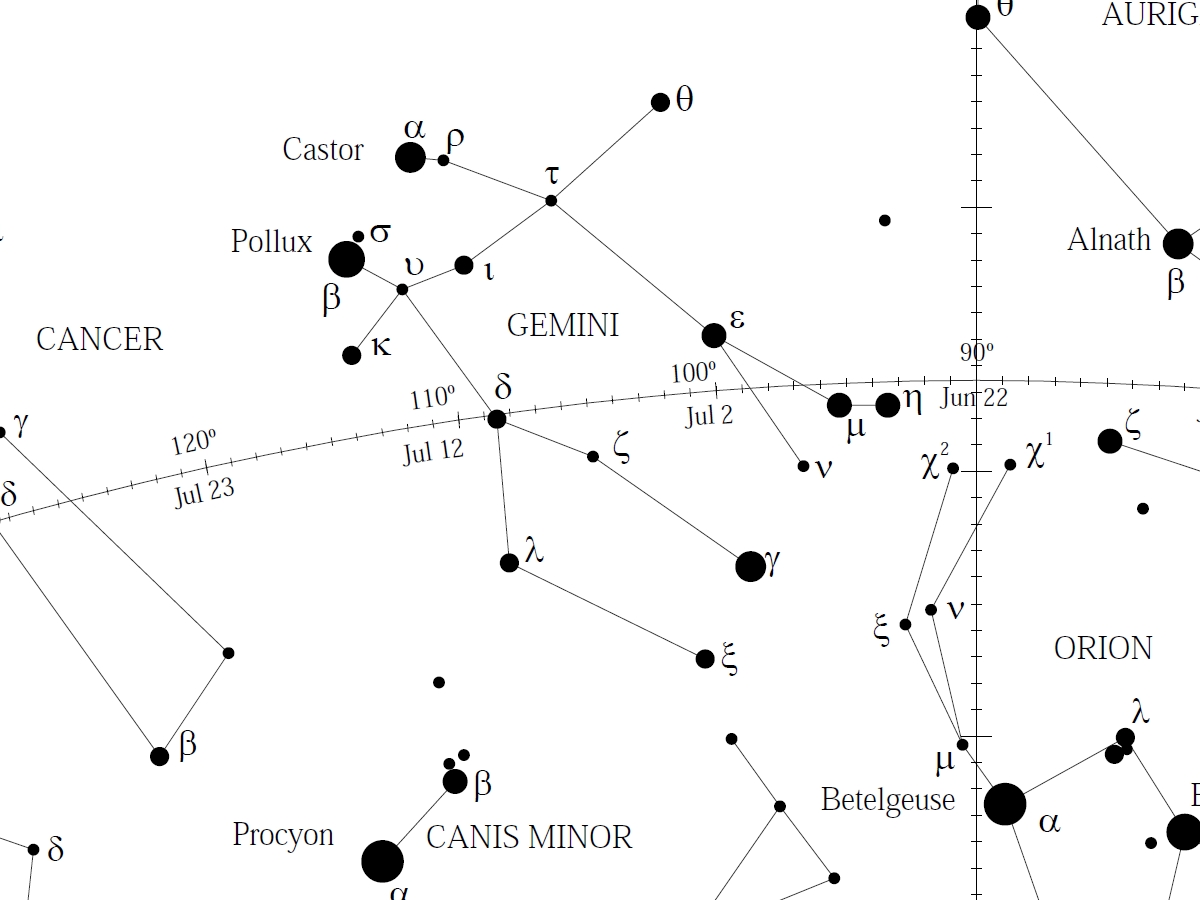
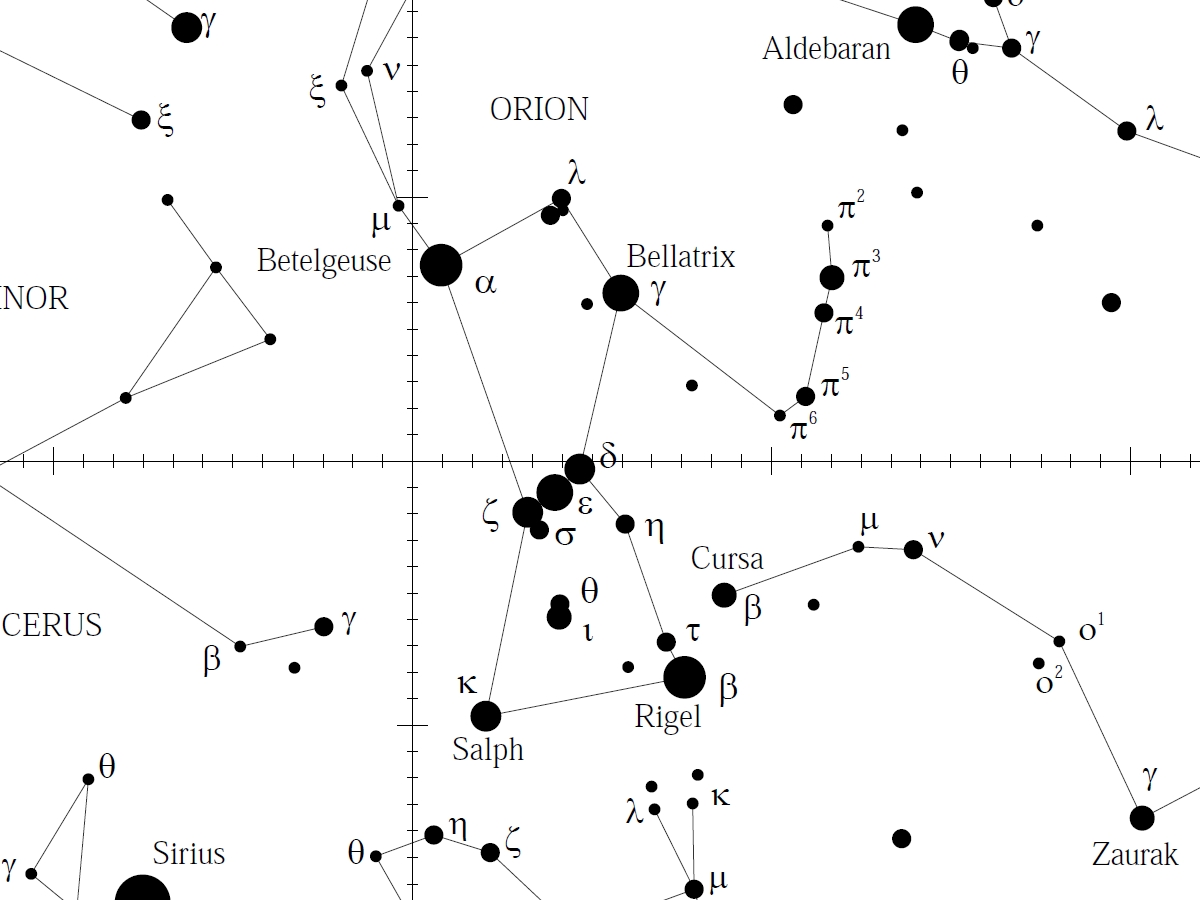
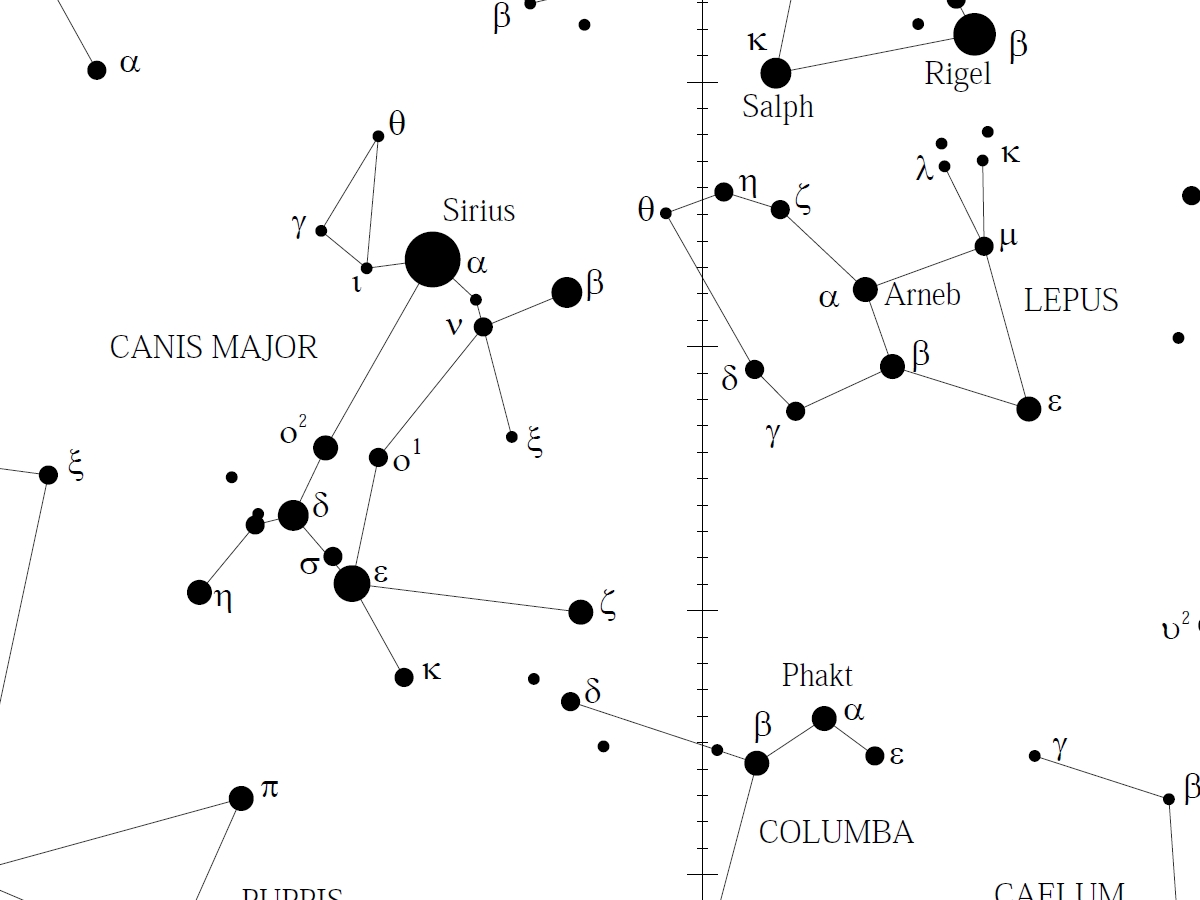
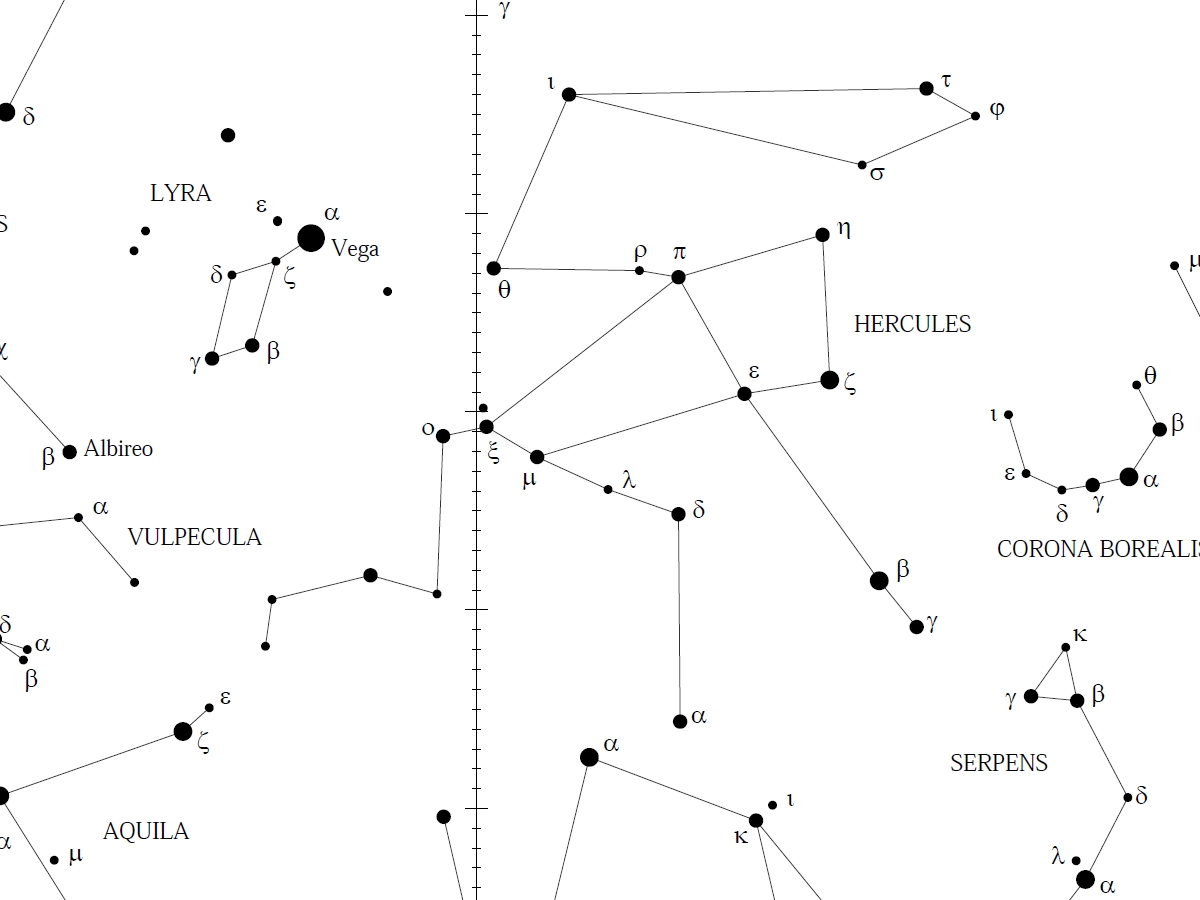
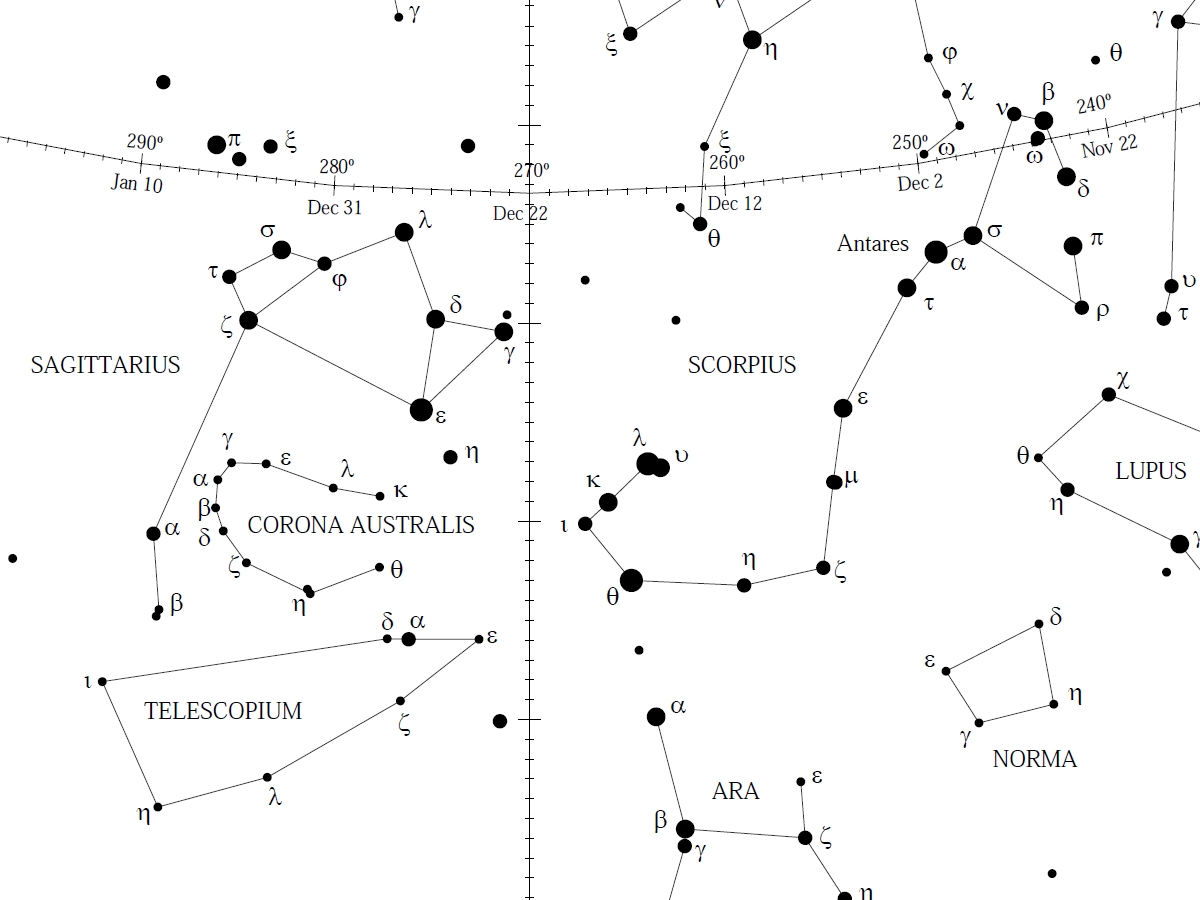
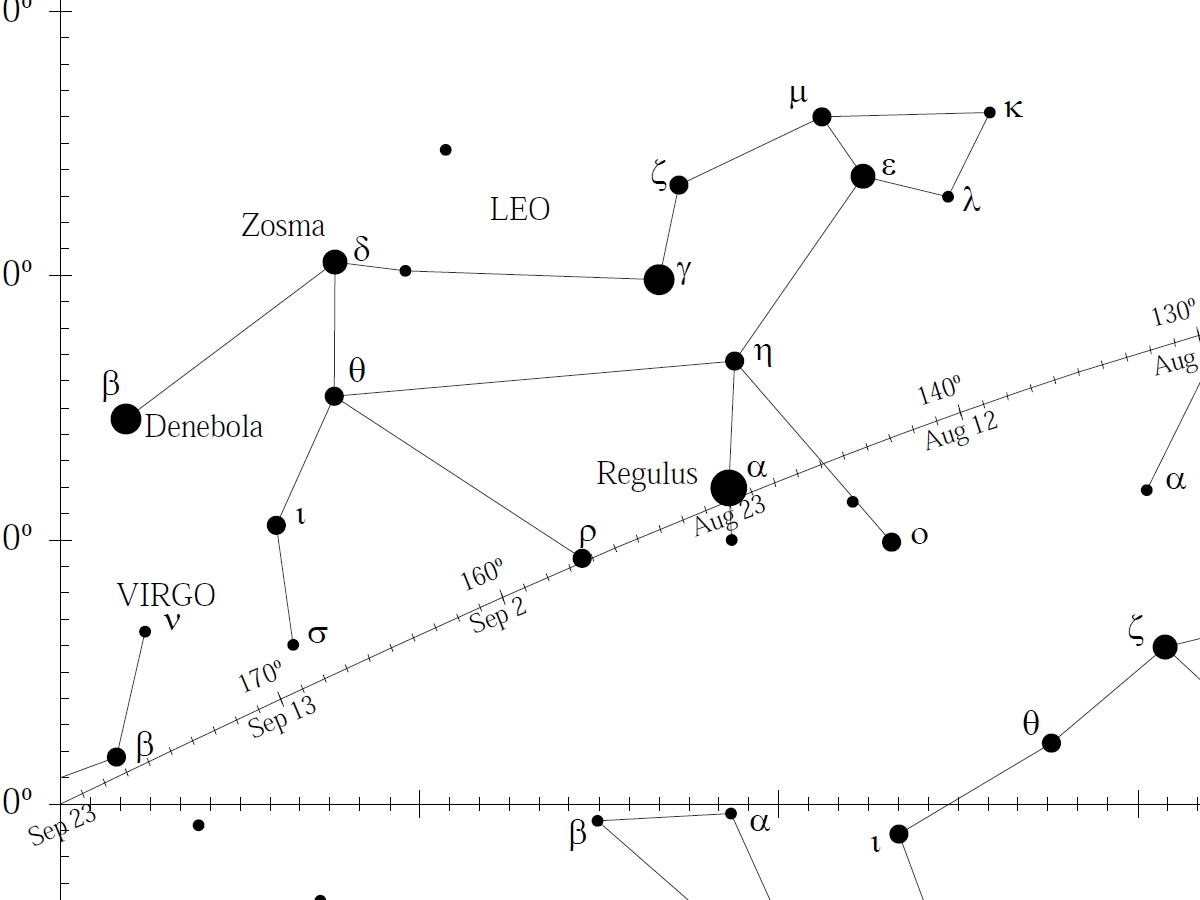
- Free SFA Star Charts
- Astronomy Orb
- Mars
- Jupiter
- Saturn
- SL9
- Eclipsing Binary Stars
- Color Science
- Astronomy JavaScript
- Movie Collection
- Stepper Motors